The framework stack
Six framework lenses. One playbook.
Most gamification platforms pick one framework and bury everything under it. Hatched runs on a stack of six — each used for the job it does best. Below: the table, and a deep dive per lens.
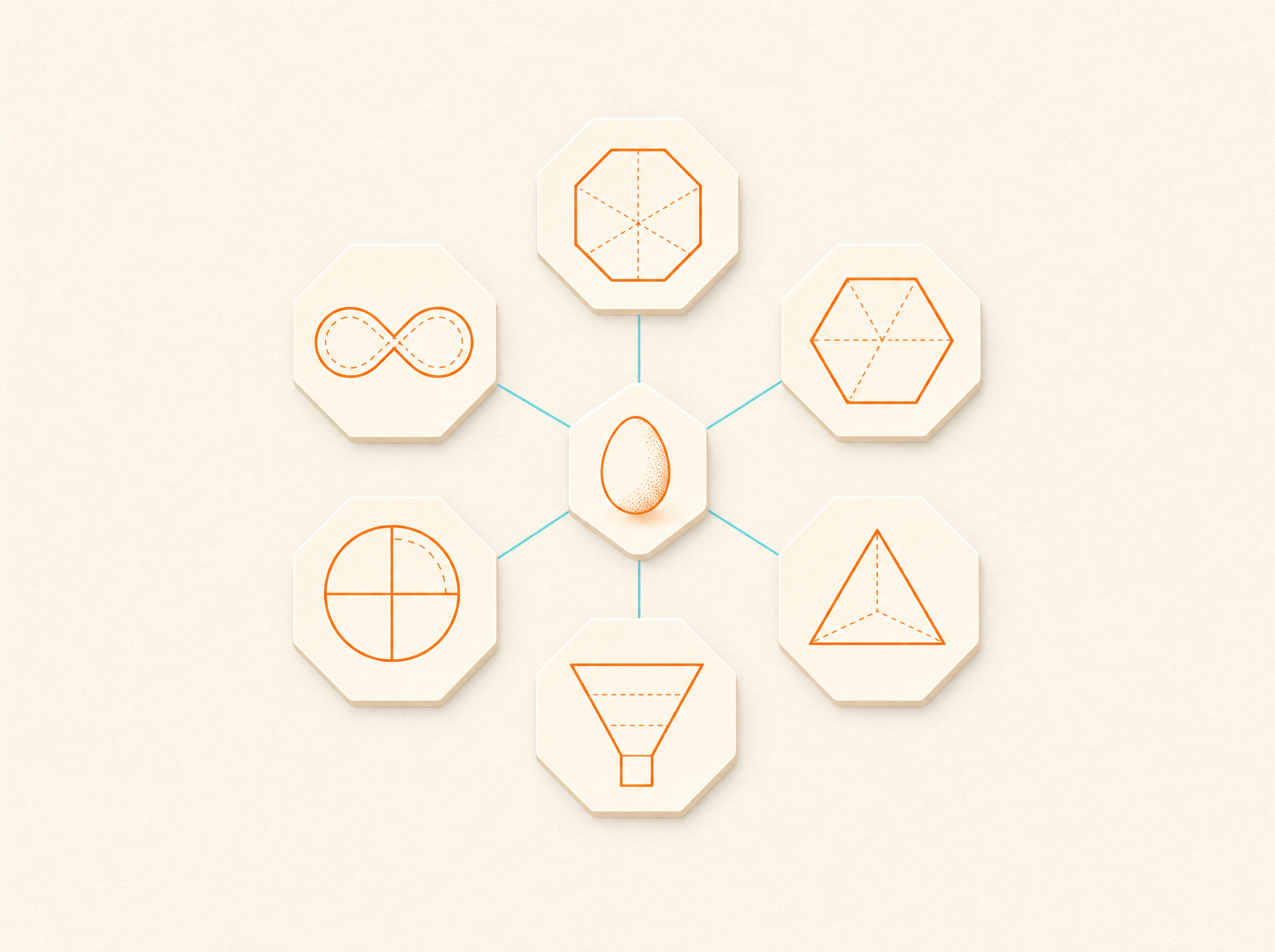
Each lens does a different job
Octalysis runs the motivation audit, Hexad does segmentation, MDA owns the design layers, RAMP/SDT carries the intrinsic engine, 6D anchors the business goal, and Fogg + Hook hold the per-feature behavior contract. Cards below — each links to its own page.
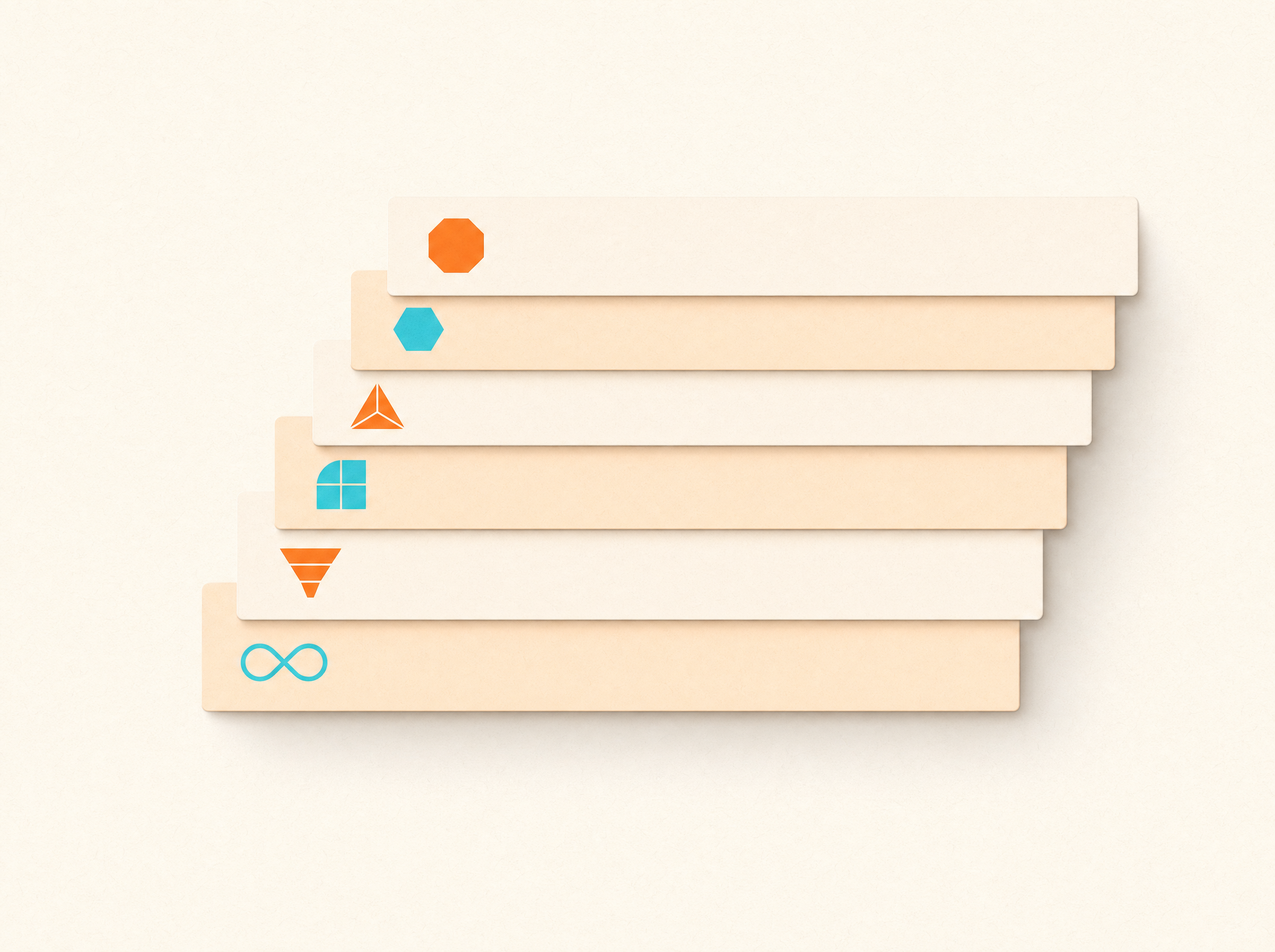
The stack
Six frameworks, six different jobs — how Hatched layers Werbach 6D, Hexad, MDA, RAMP/SDT, Fogg + Hook, and Octalysis.
Read more →

Octalysis
Yu-kai Chou's 8-Core-Drive framework is how we audit Hatched feature surfaces. Configured surfaces declare CD weights; the radar makes black-hat creep visible; the PR check enforces it.
Read more →

Hexad
Marczewski’s Hexad replaces "the average user" with six motivational types — Achiever, Philanthropist, Socialiser, Free Spirit, Player, Disruptor. Here is how Hatched segments around them.
Read more →
MDA
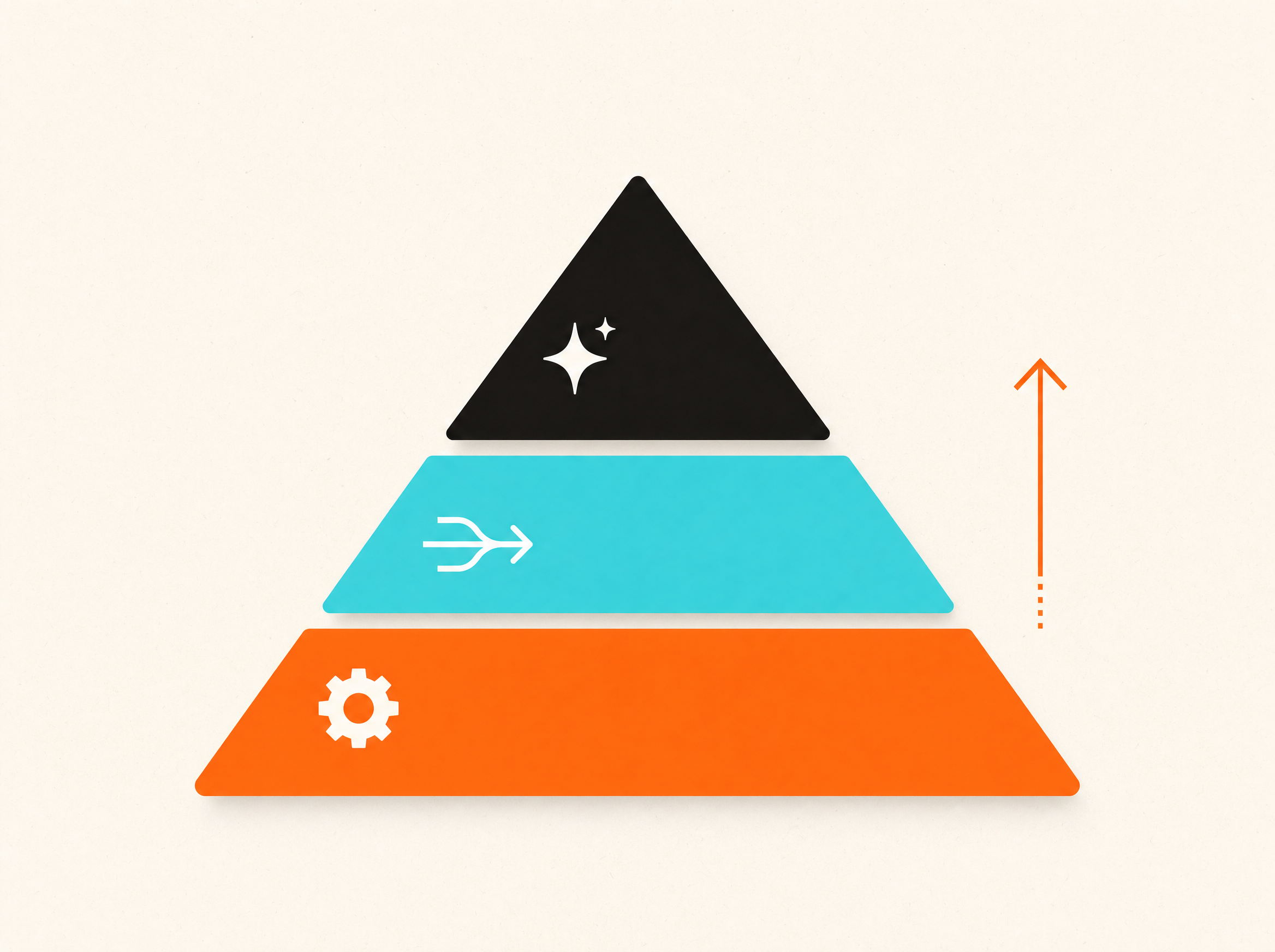
Hatched's engineering architecture maps to MDA. Three layers a Staff engineer can defend in a code review: mechanics in the SDK, dynamics in the rule-engine, aesthetics in the widgets.
Read more →
RAMP / SDT
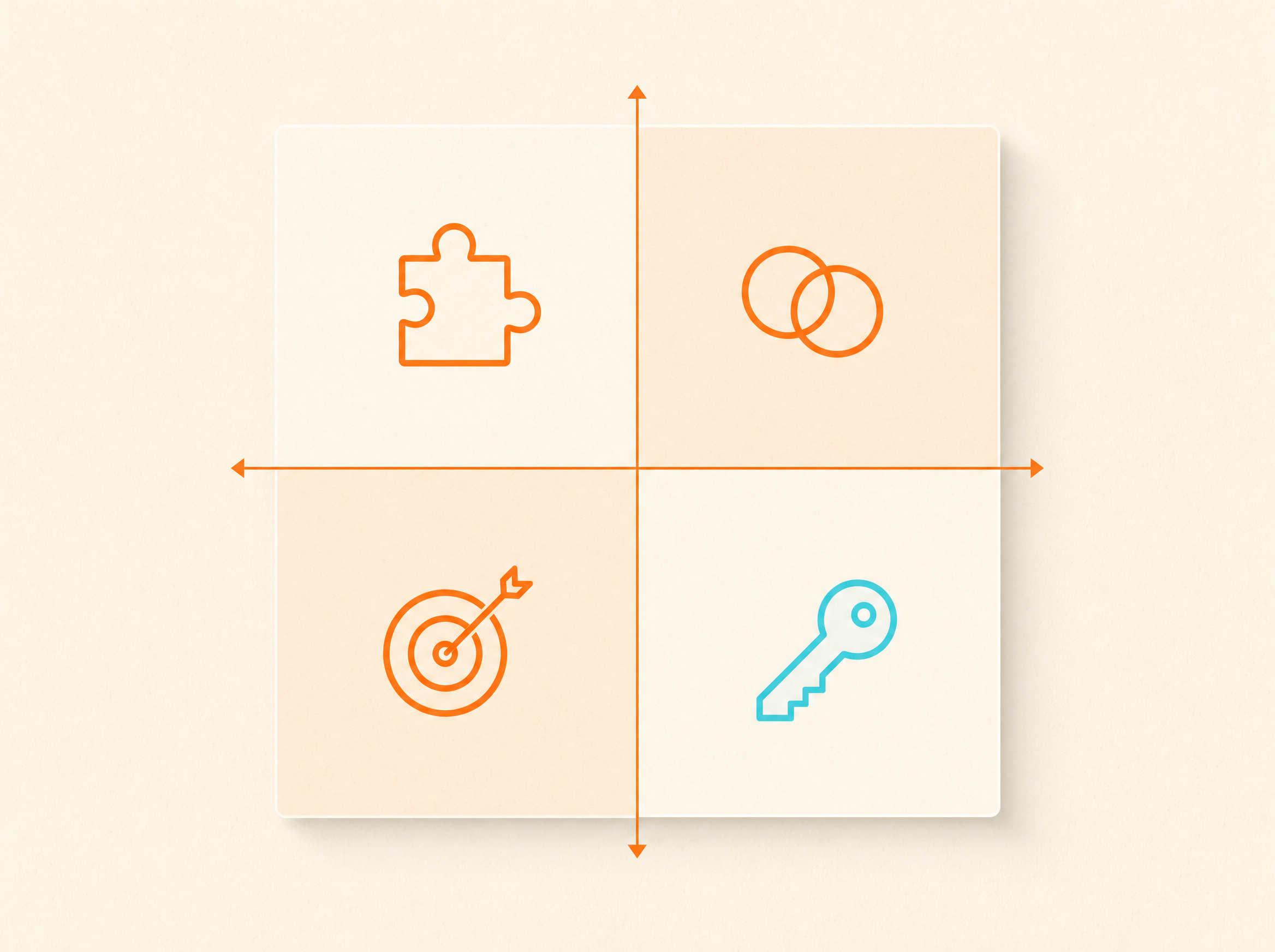
Hatched is built on Self-Determination Theory — relatedness, autonomy, mastery, purpose. Why ethical motivation outperforms manufactured FOMO.
Read more →
6D
Kevin Werbach’s 6D framework is the spine of Hatched’s onboarding wizard. Define, delineate, describe, devise, don’t forget the fun, deploy — and avoid the chocolate-coated broccoli trap.
Read more →
Fogg + Hook
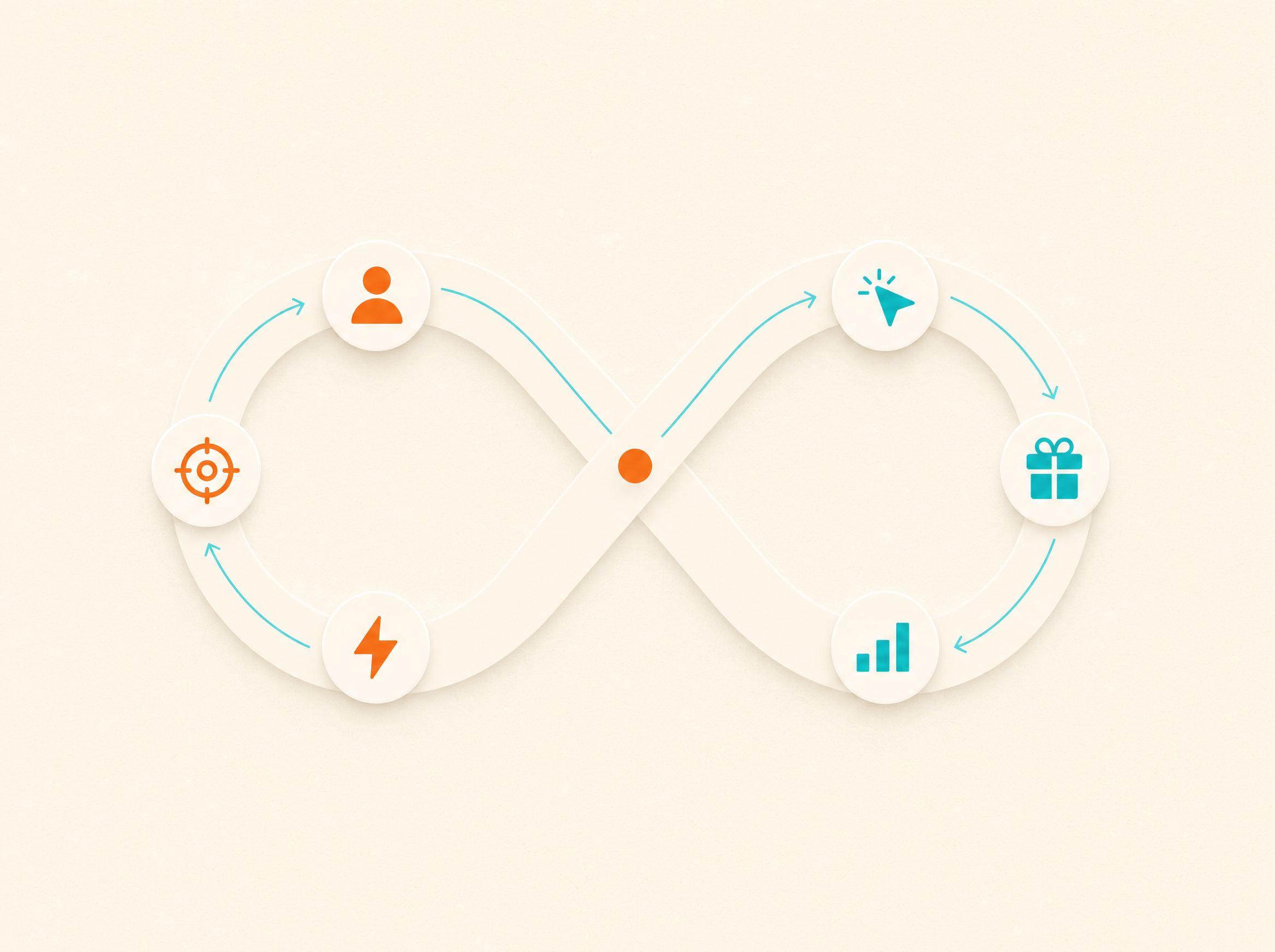
Every framework-registry feature surface ships with declared Fogg (B=MAT) and Hook (Trigger / Action / Reward / Investment) scores. PR-blocking invariant checks keep them honest. This is the per-feature behaviour contract.
Read more →